

Bringing Clarity to Complex Data Automation Solutions
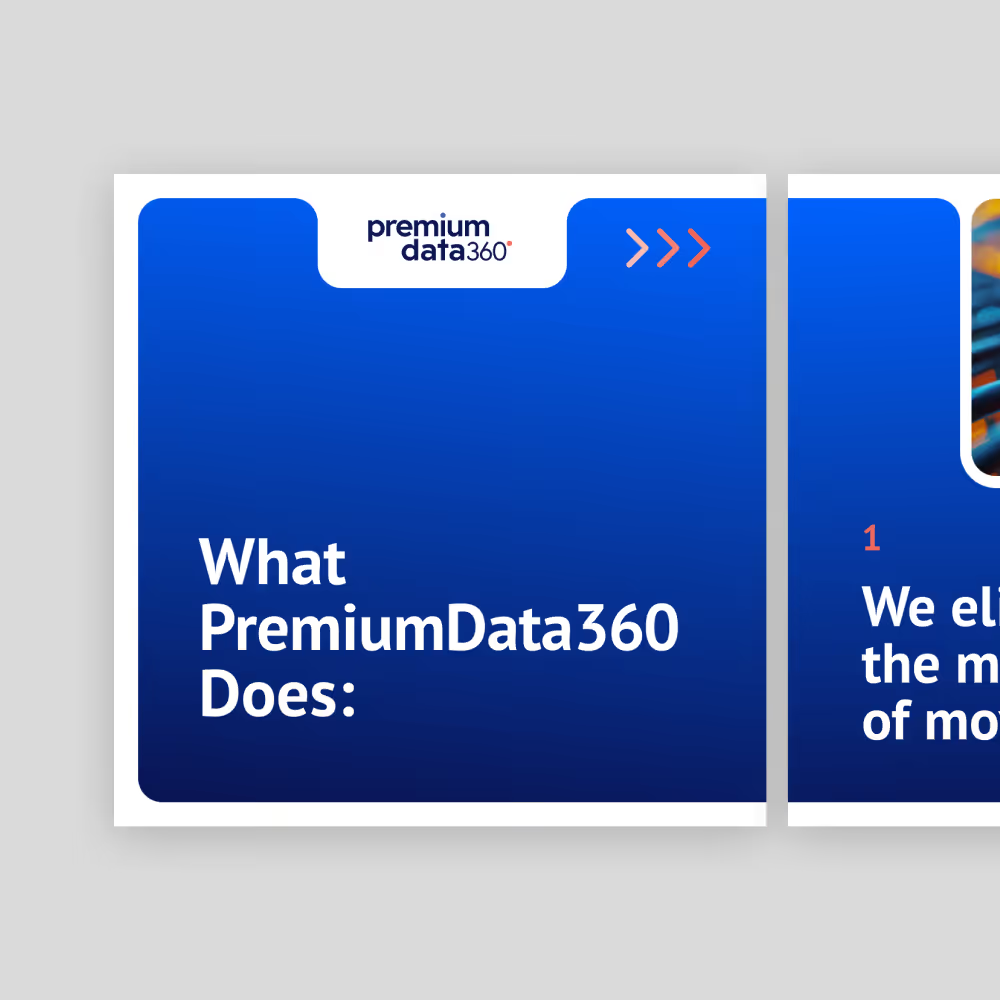
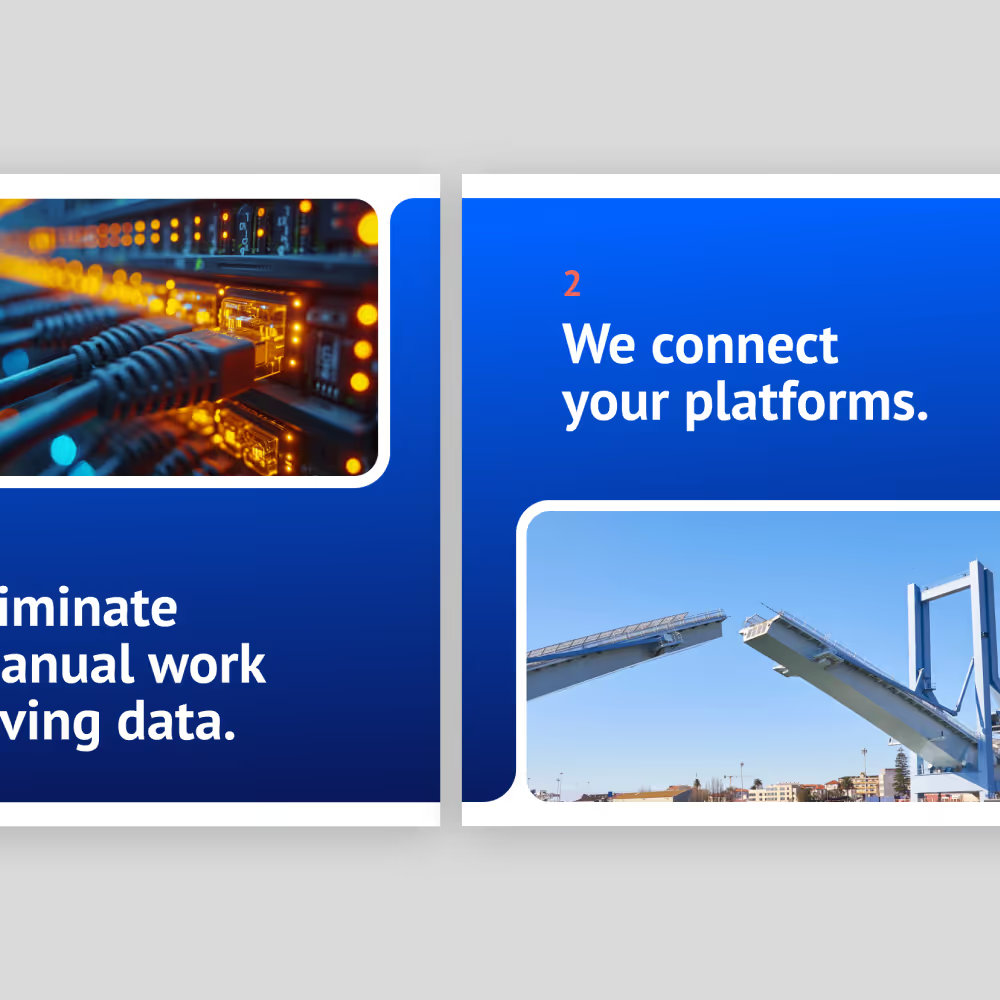
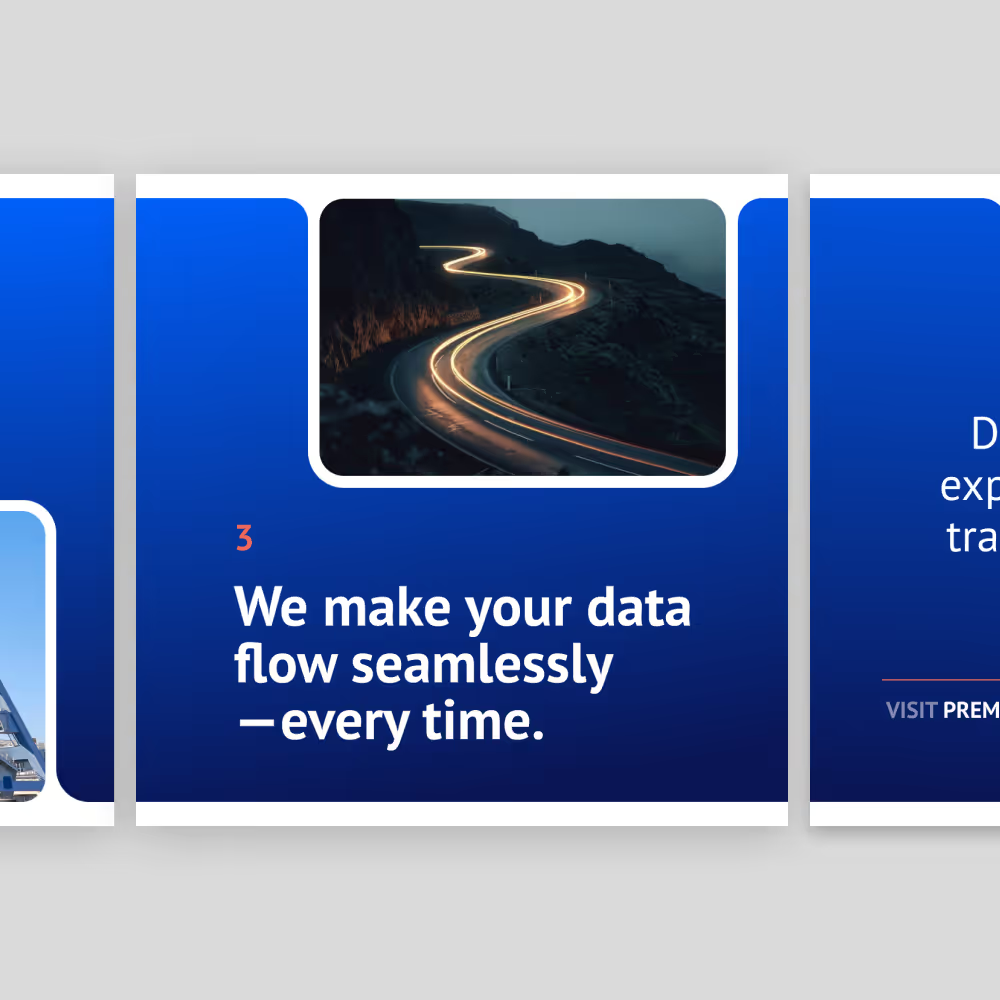
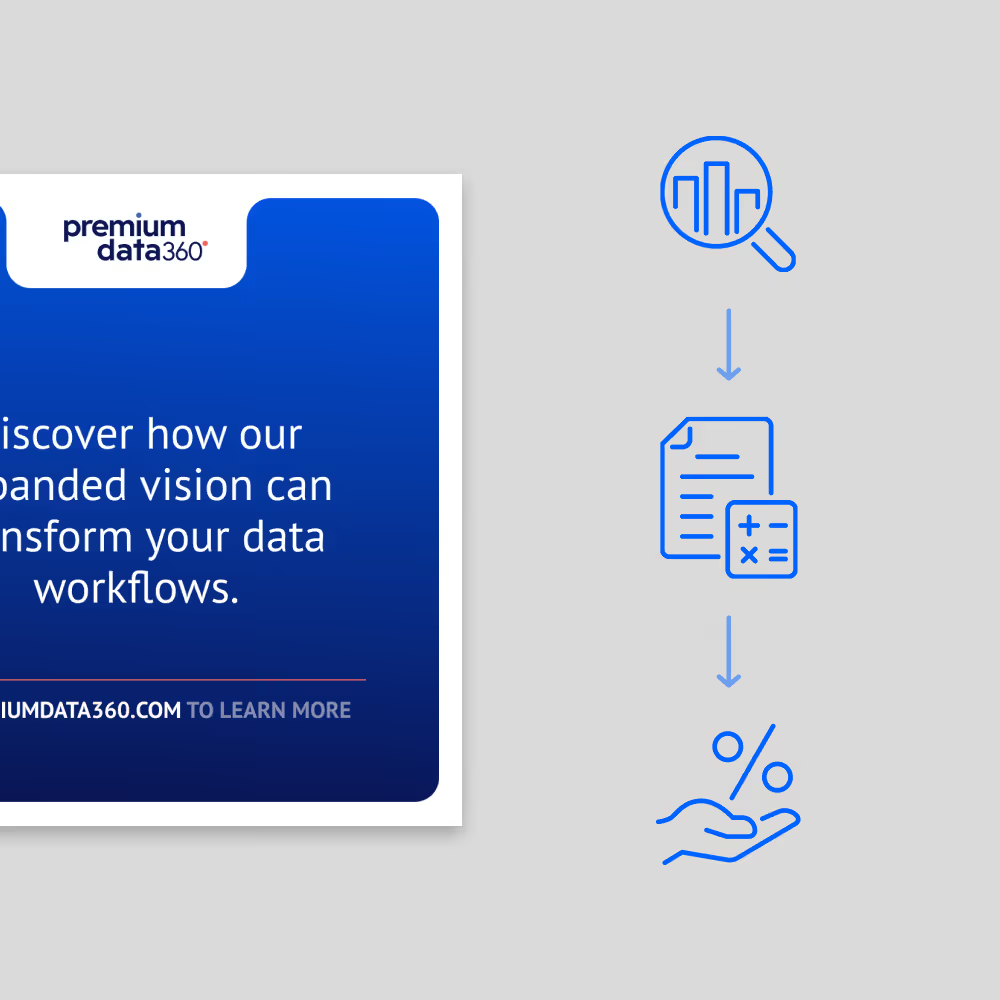
Making the Invisible Understandable
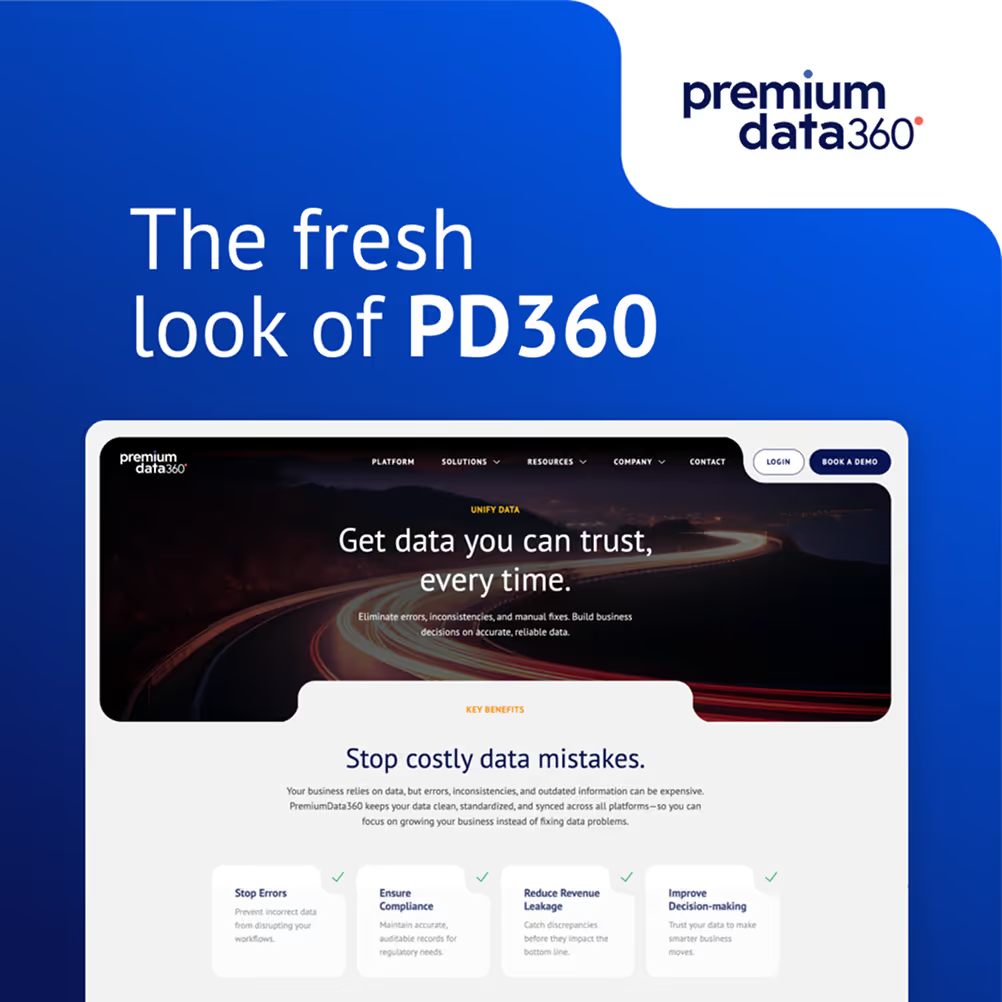
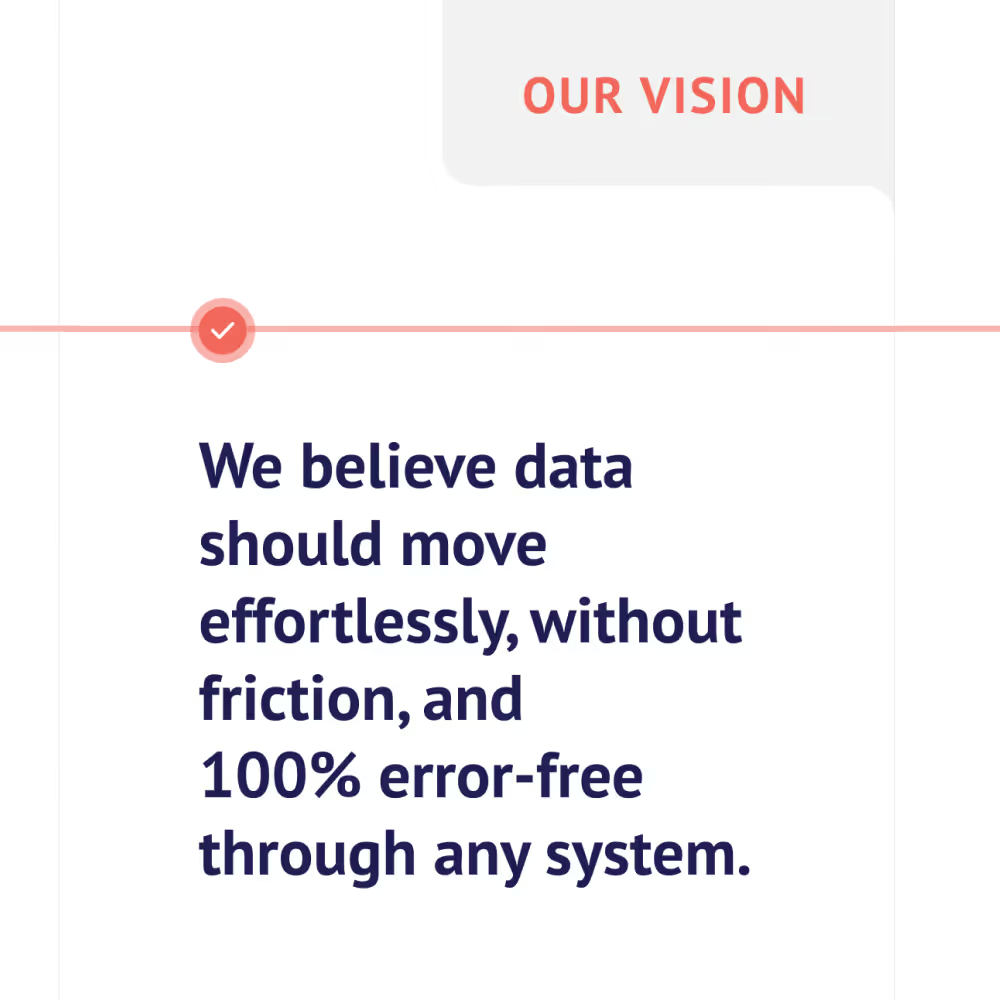
PD360 operates in a highly technical and competitive space where communicating value clearly is a constant challenge. The existing experience lacked the structure, clarity, and differentiation needed to support complex use cases and position the brand as a leader. The goal was to create a more cohesive system that simplifies complexity and scales across industries.

Abstract and Complex Offering
PD360’s core value lies in data automation, system integration, and real-time data flow, all of which are difficult to visualize and communicate. The challenge is translating abstract, backend-heavy concepts into something clear, tangible, and easy to understand.

Niche, Highly Informed Audience
The audience includes technical stakeholders who expect precision, clarity, and credibility. Messaging must strike a balance between being accessible and maintaining the depth and accuracy needed to build trust with a knowledgeable audience.

Multiple Use Cases Across Many Industries
The previous site struggled to support large amounts of technical content across multiple use cases and industries. Without a clear structure, users lacked intuitive pathways to navigate and understand how solutions applied to their specific needs.

Lack of Differentiation in a Saturated Market
Operating in a crowded space filled with similar claims around AI and automation, PD360 lacked a distinct voice and visual identity. The challenge was to create a brand and experience that clearly communicates value while standing apart from competitors.
Structuring Complexity into Clear Systems
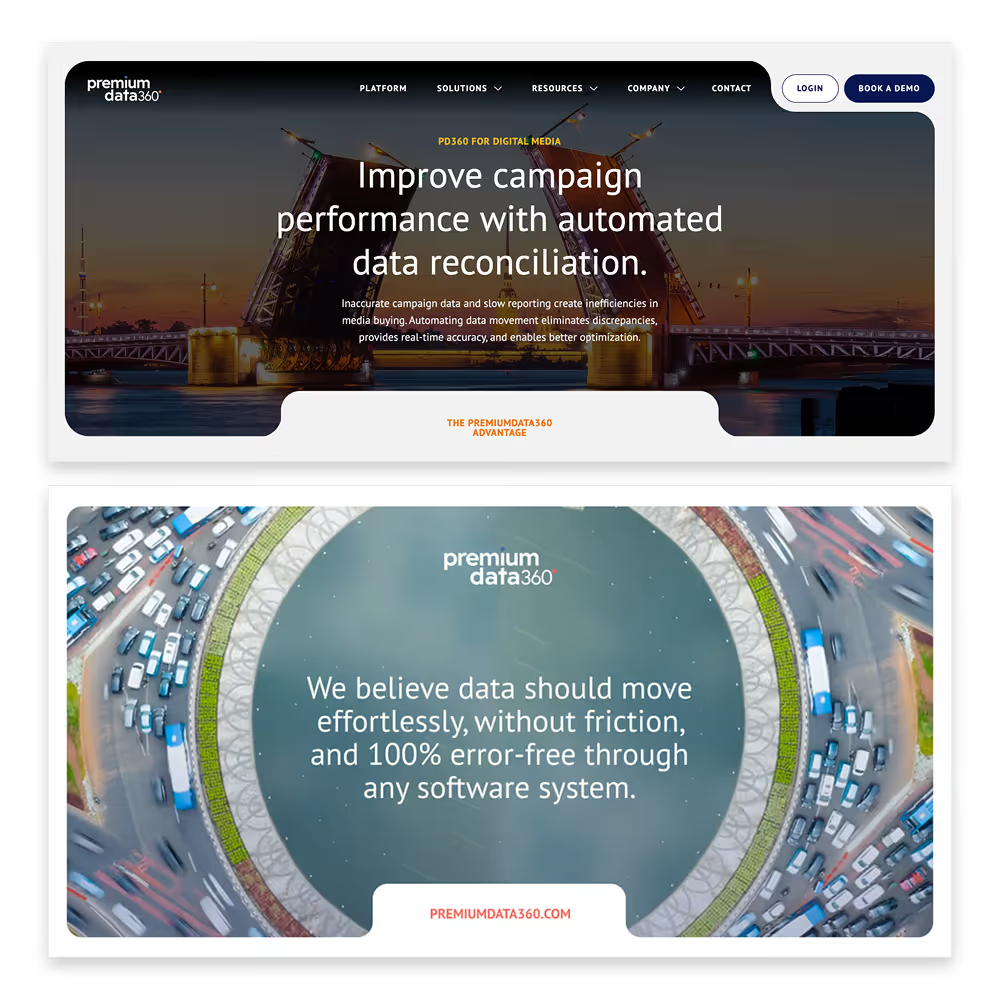
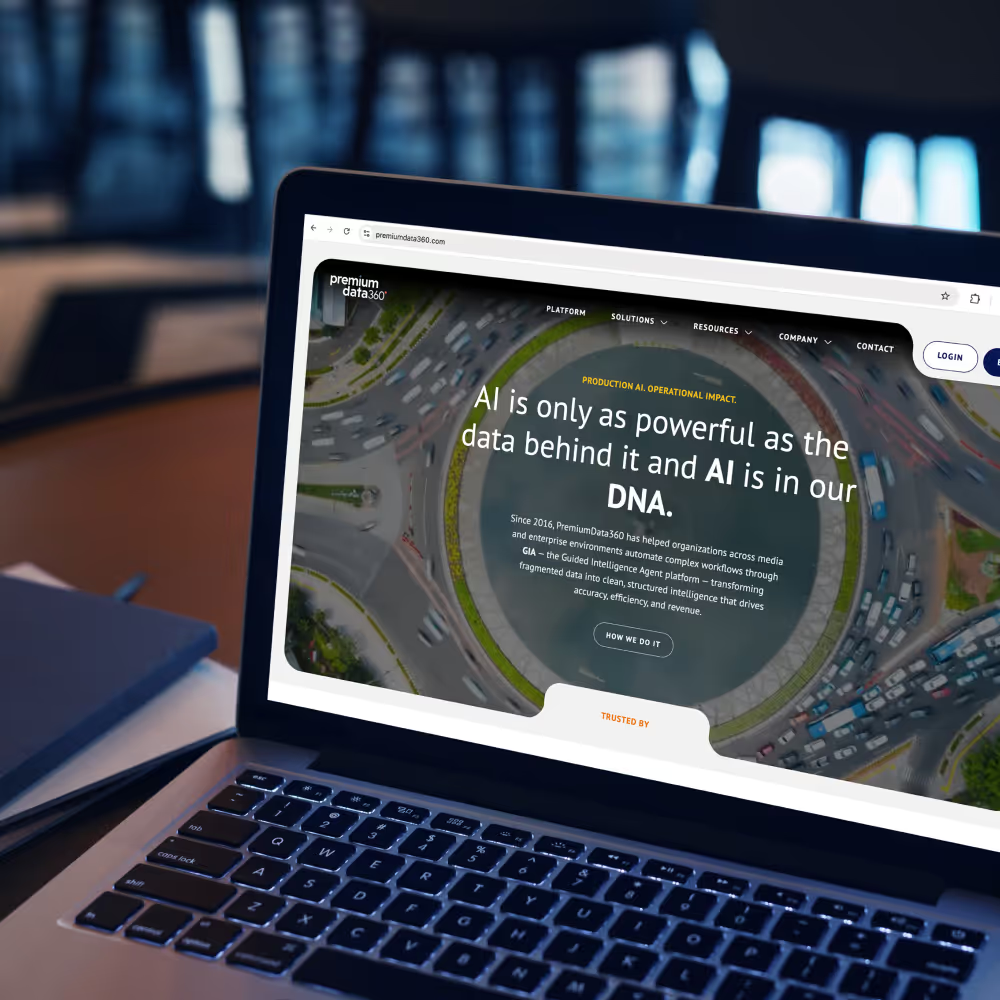
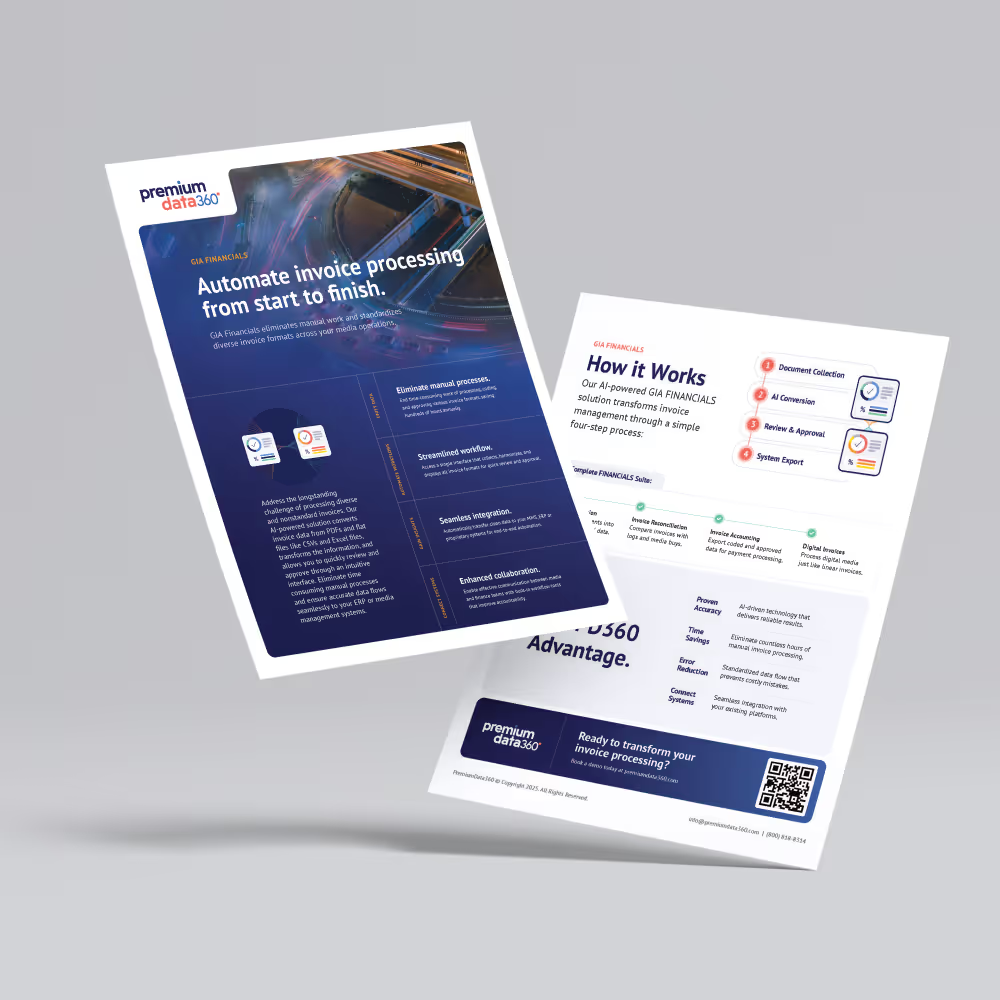
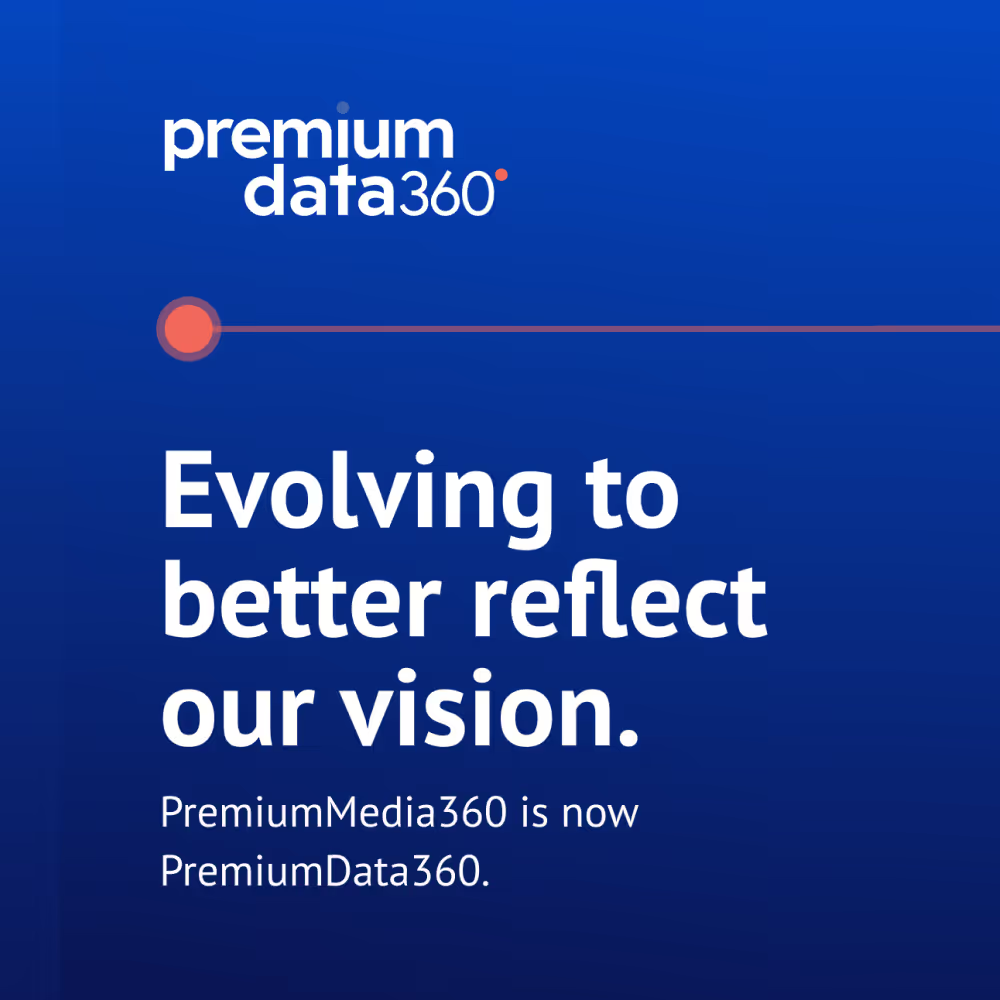
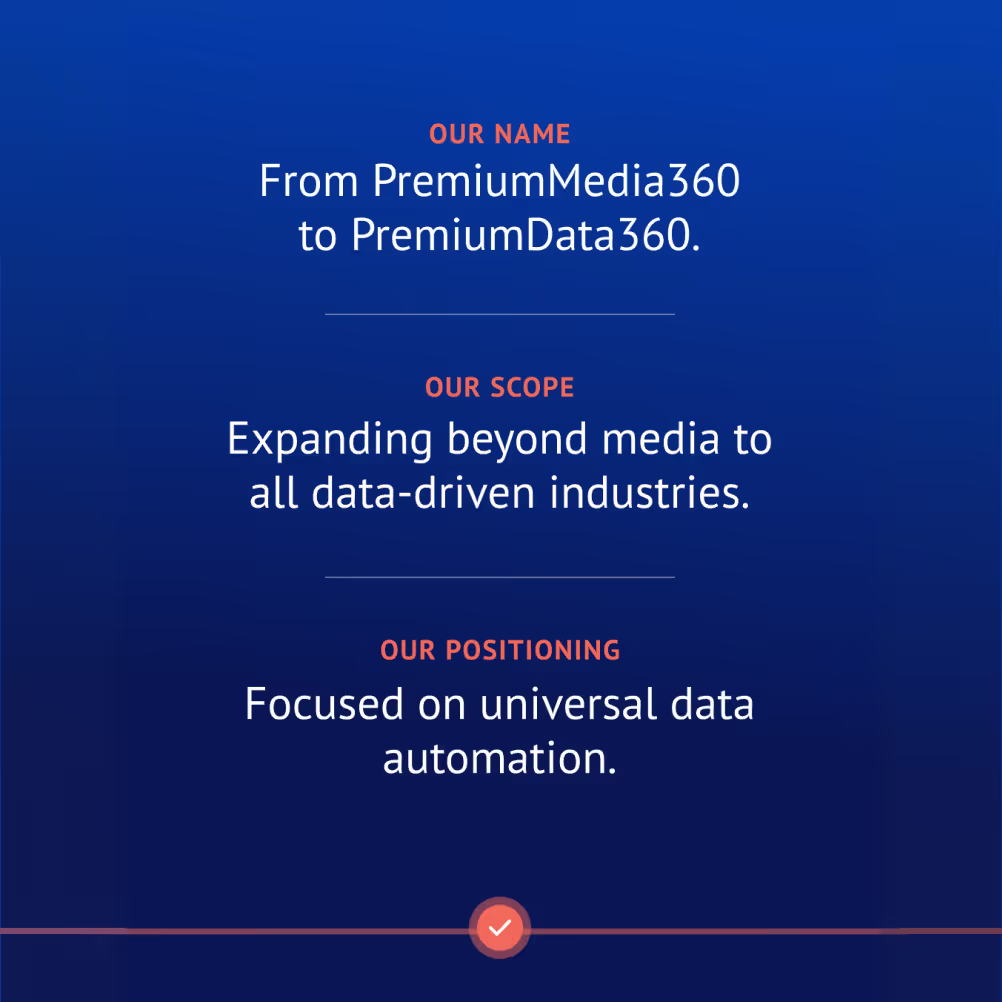
We approached the project as both a brand and systems challenge. The rebrand introduced a modern, cohesive identity designed to reflect precision, intelligence, and efficiency. From there, we rebuilt the website with a flexible, component-based system capable of supporting content-heavy pages and multiple use cases. Messaging was restructured around user intent, focusing on clear benefits like efficiency, accuracy, and speed. To support scalability, we introduced a color system and modular components that allow content to be organized, categorized, and expanded across industries without losing clarity or cohesion.
Key Design Decisions
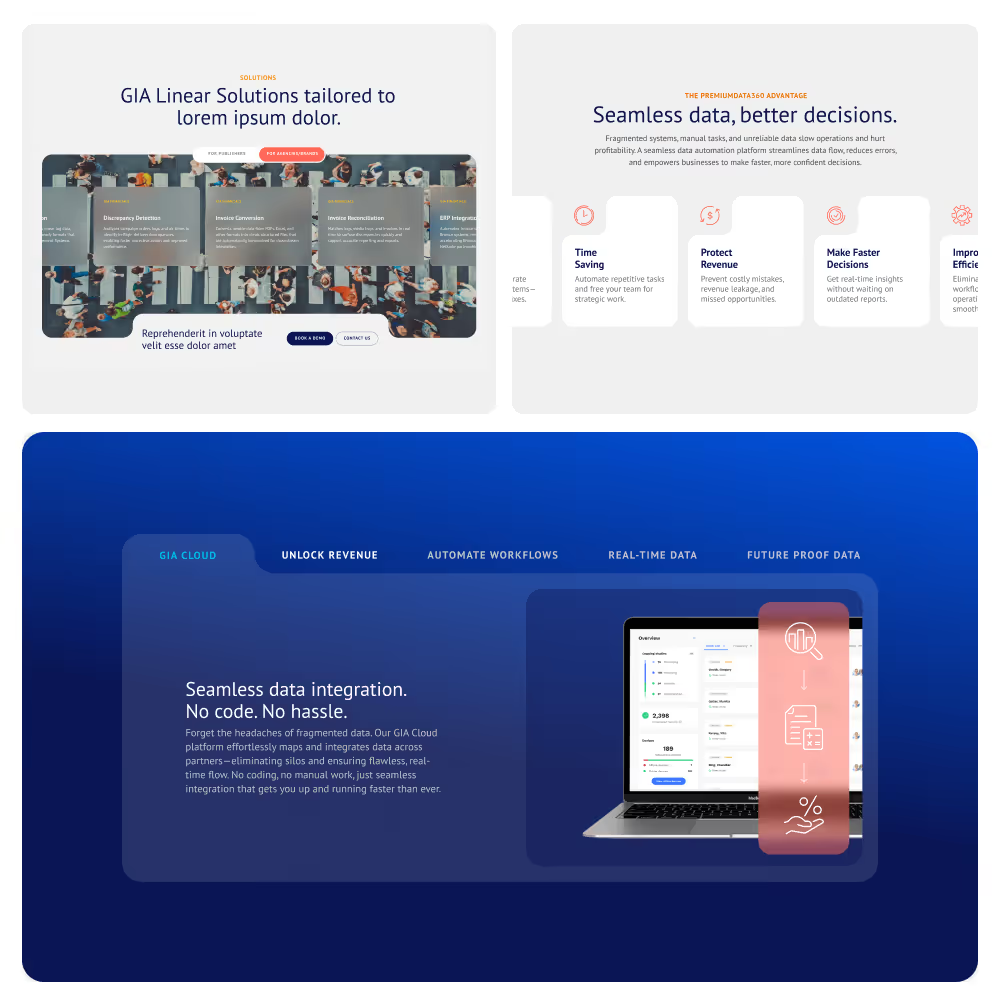
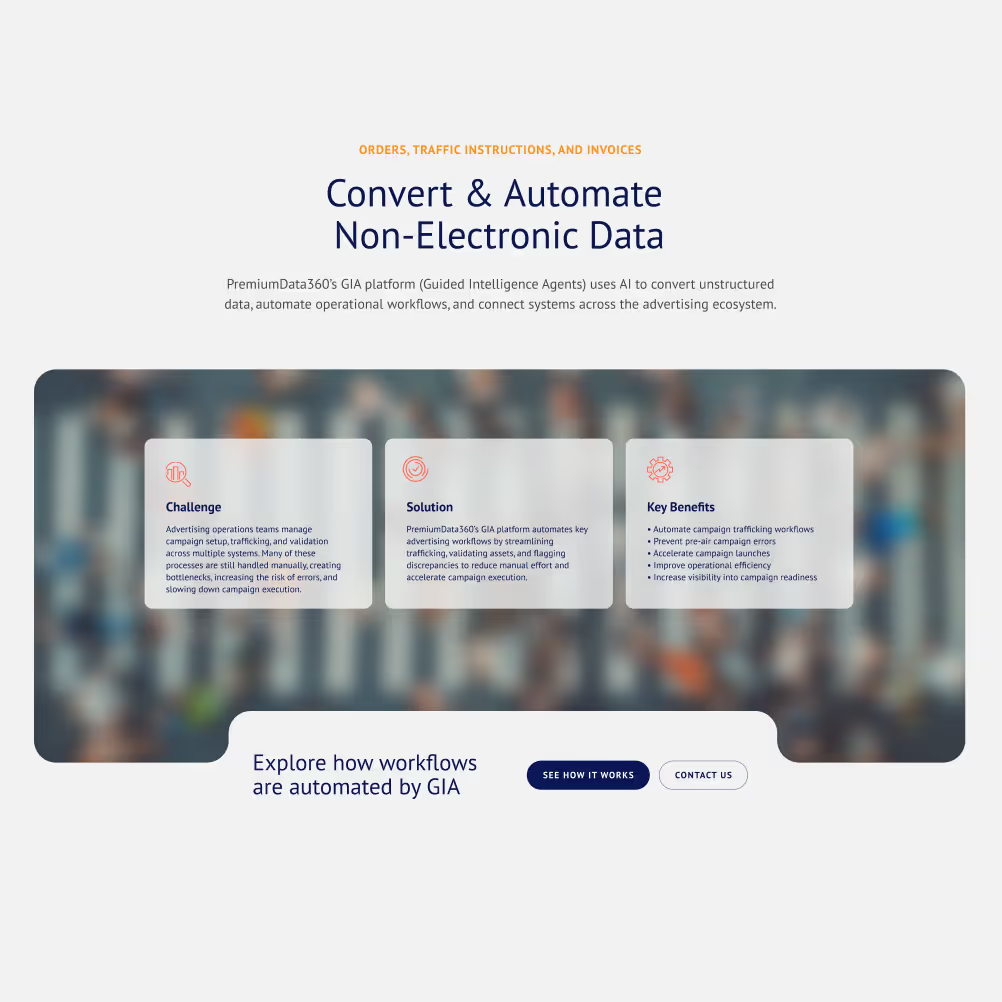
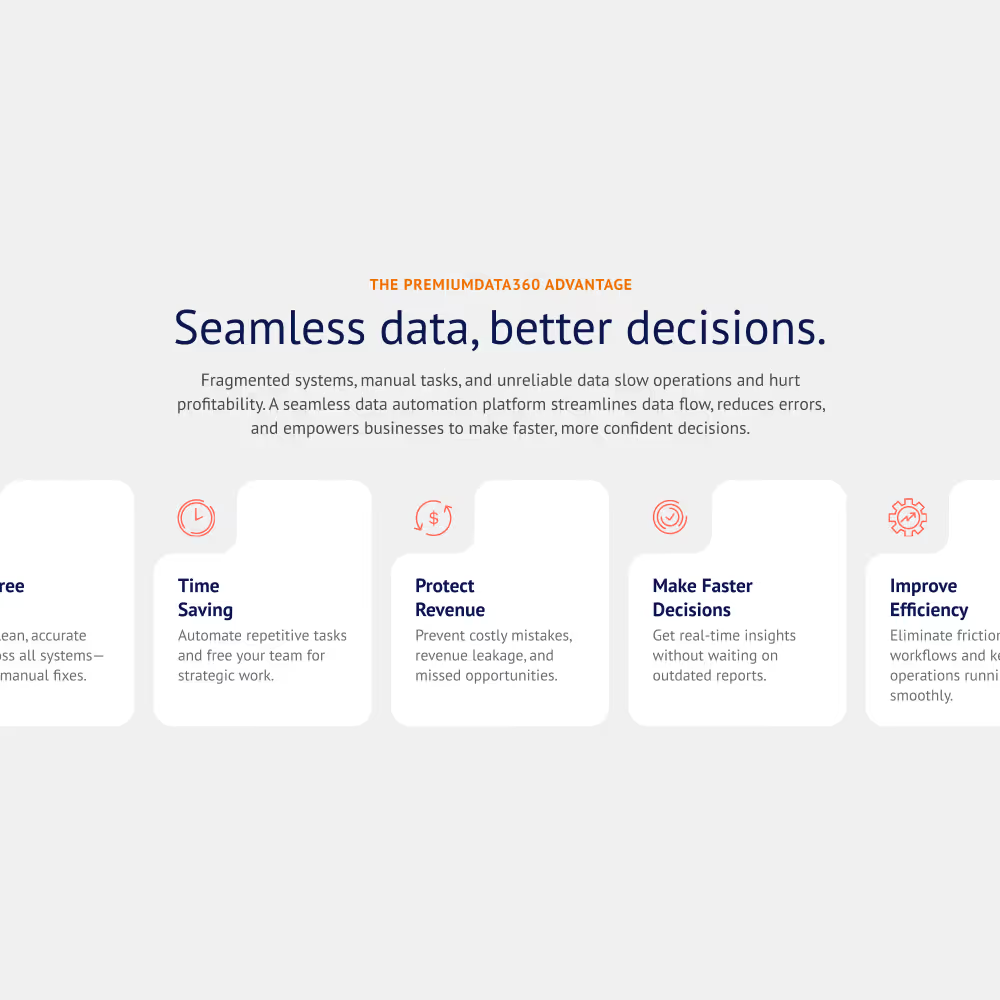
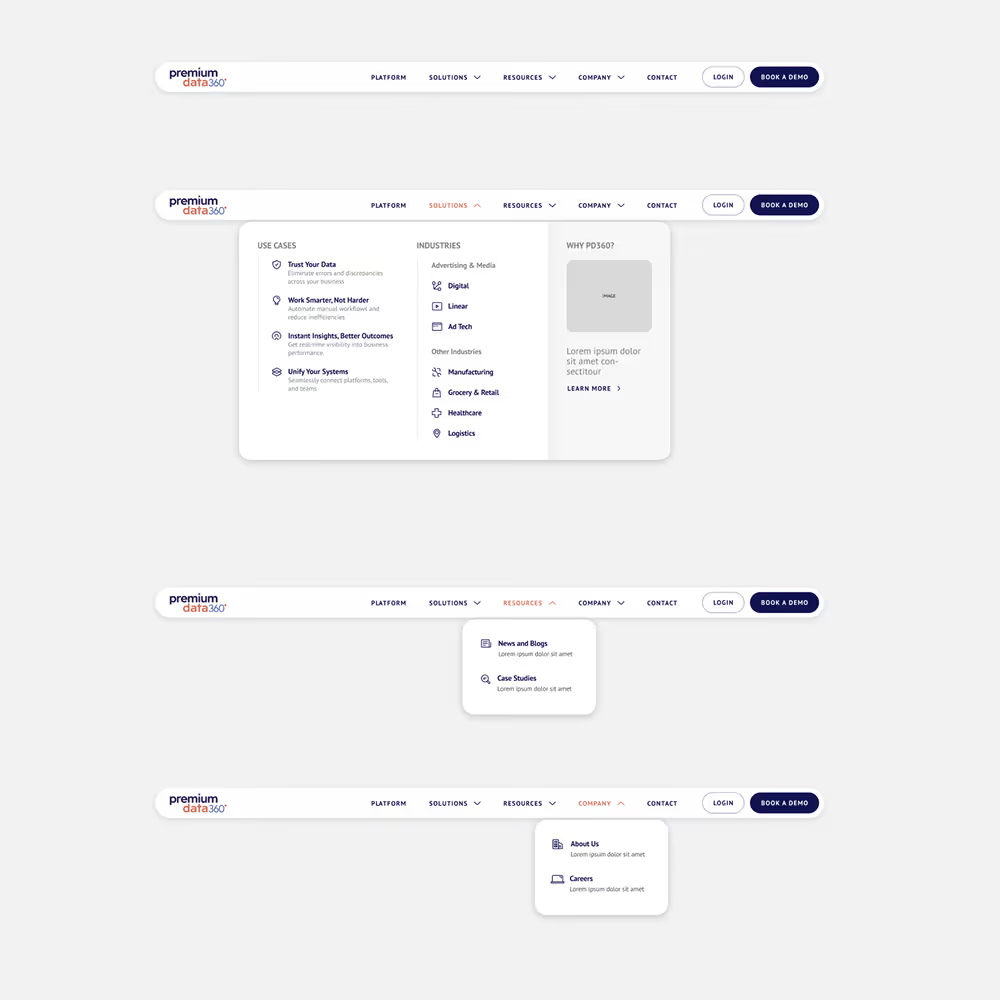
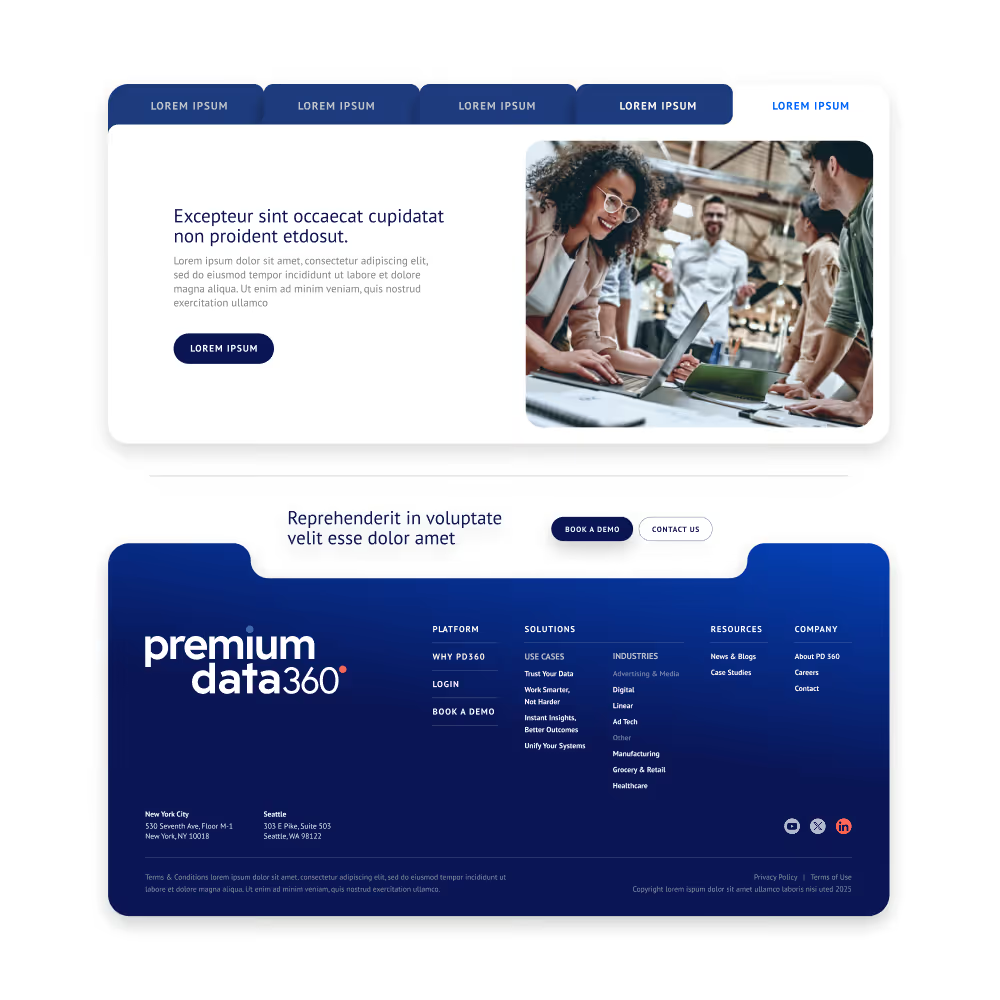
A structured visual system brings abstract concepts into a more tangible, intuitive experience. Modular components, clear hierarchy, and a purposeful color tagging system organize complex content into distinct pathways across use cases and industries.

Visualizing Invisible Systems
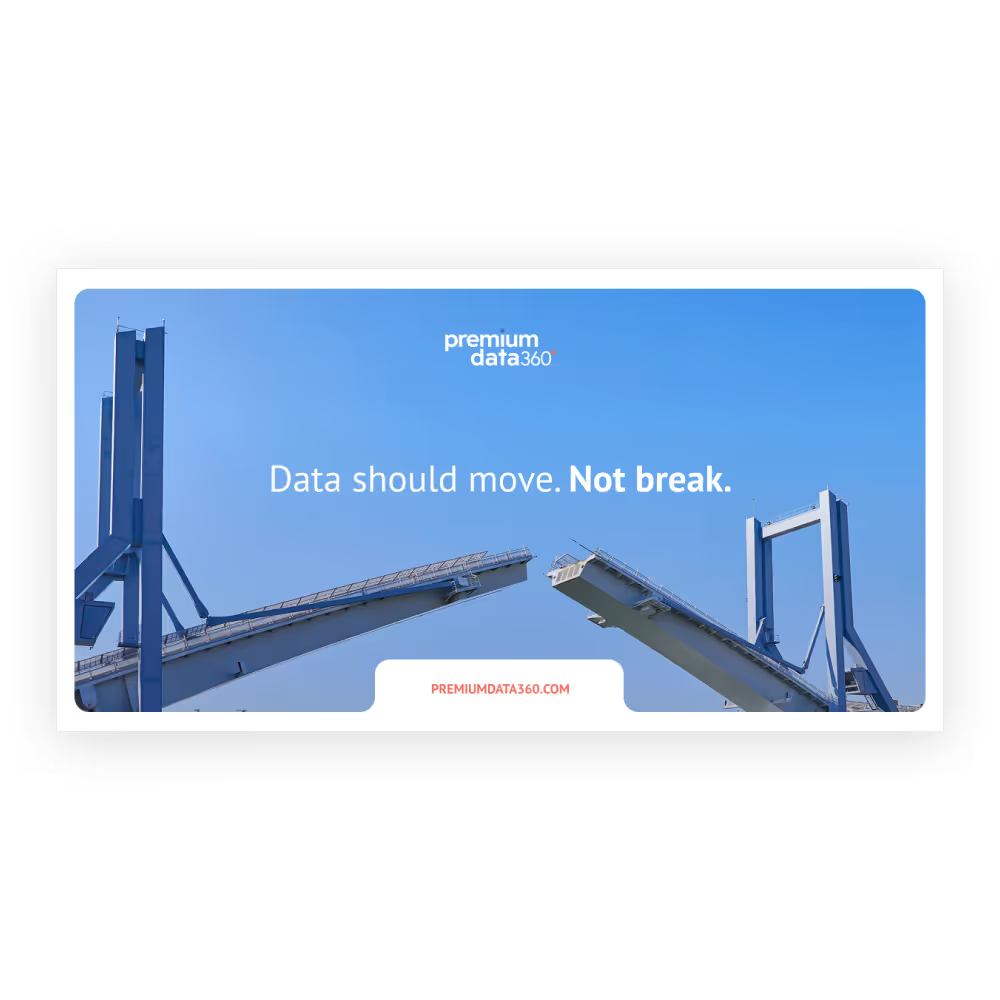
We developed a visual language that represents data movement, automation, and connectivity in a way that feels modern and intuitive without relying on overused or overly literal tech tropes.

Designing for Multi-Industry Flexibility
With multiple use cases spanning industries, the system was built to adapt content without requiring redesign, supporting both current and future expansion.

Color as a System for Organization
A structured color system was introduced to classify content, differentiate use cases, and help users navigate across industries and solutions.

Component-Based Architecture
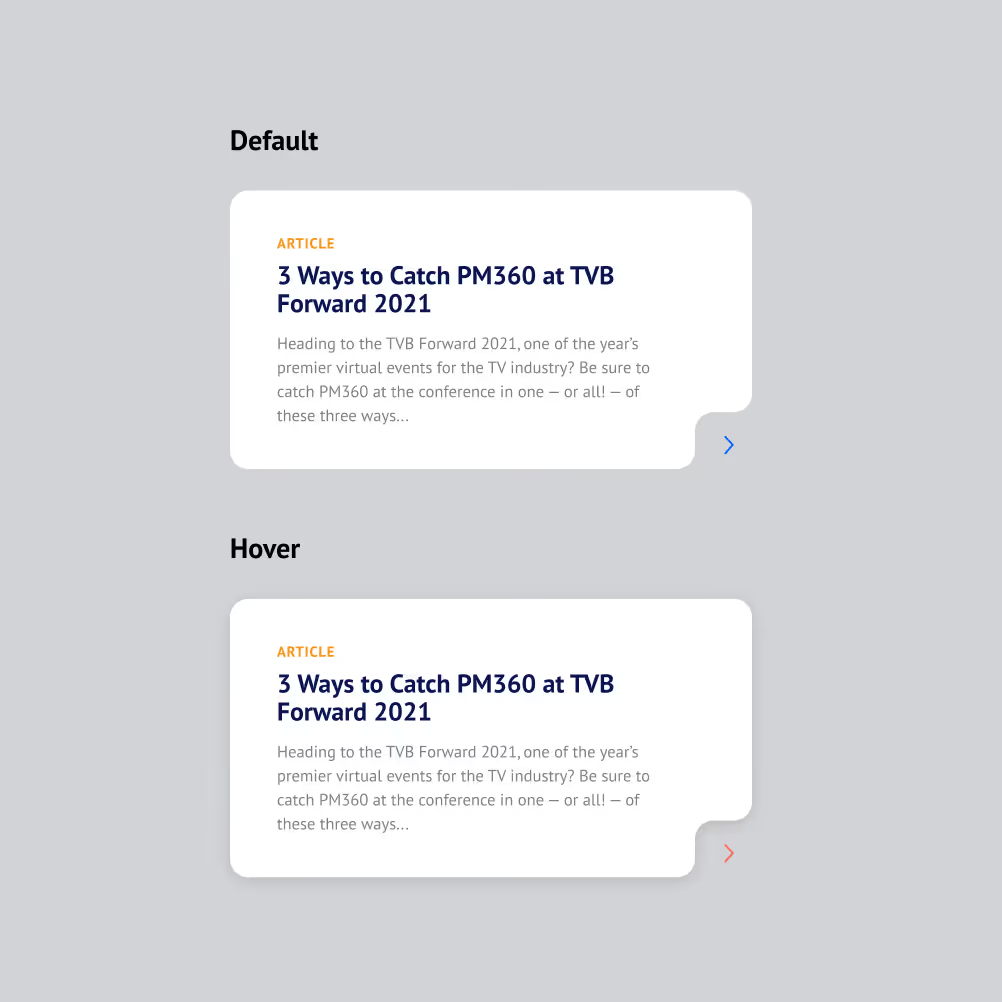
Custom, dynamic components were designed to support dense, technical messaging while maintaining clarity and usability across pages

How we built this visual system

Mapping the technical content
Before any wireframes, we audited PD360's use cases across industries and talked to stakeholders to separate distinctions that actually mattered to buyers from internal jargon.

Establishing scalable systems
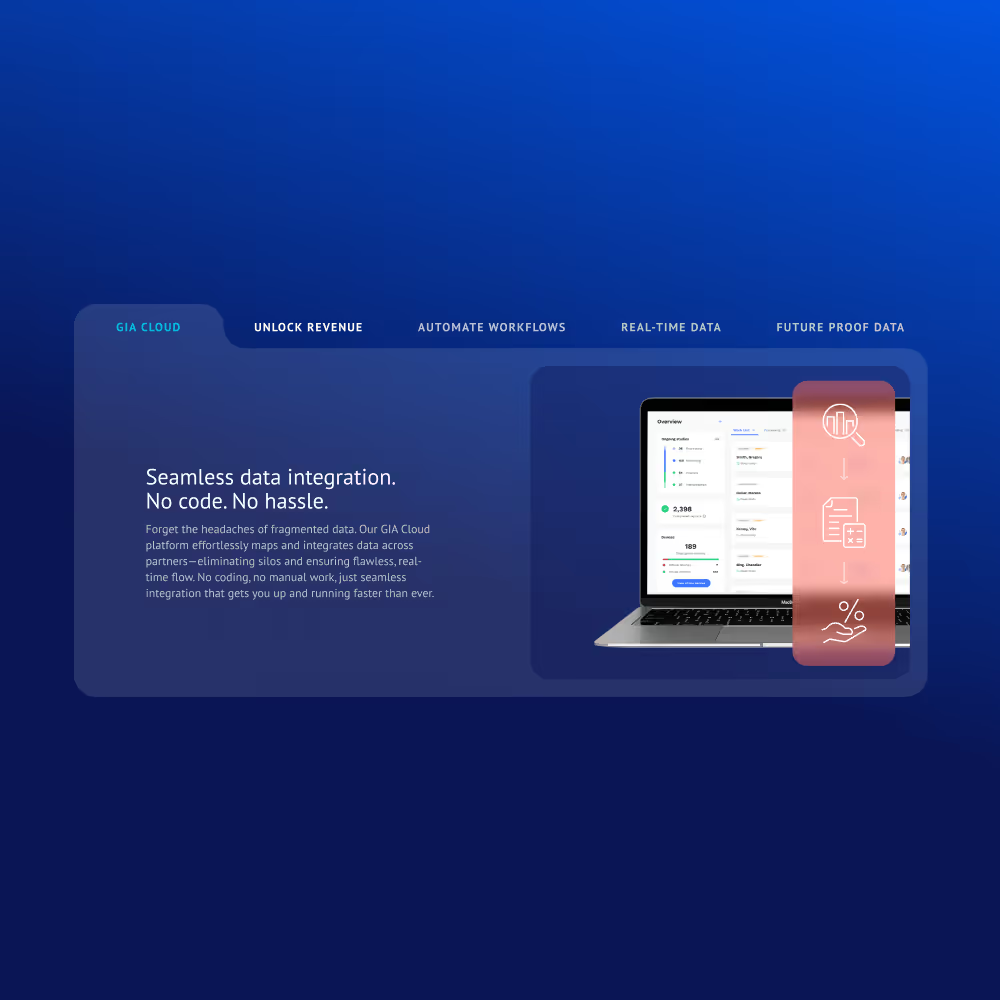
Instead of generic tabs, each use case category got its own color so buyers could self-identify their scenario within seconds, no reading required.

Designing the visual language
We tested a few approaches to representing data flow and automation before landing on a restrained, geometric style — deliberately avoiding the circuit-board and network-node clichés common in this category.

Building the component library
Modular blocks let dense technical content (specs, integrations, industry use cases) get added without a designer touching layout each time.

Launching, then iterating on real usage
Post-launch, we tracked which use case pages converted best and used that to refine navigation and messaging.
Personalized User Journeys Without Added Friction
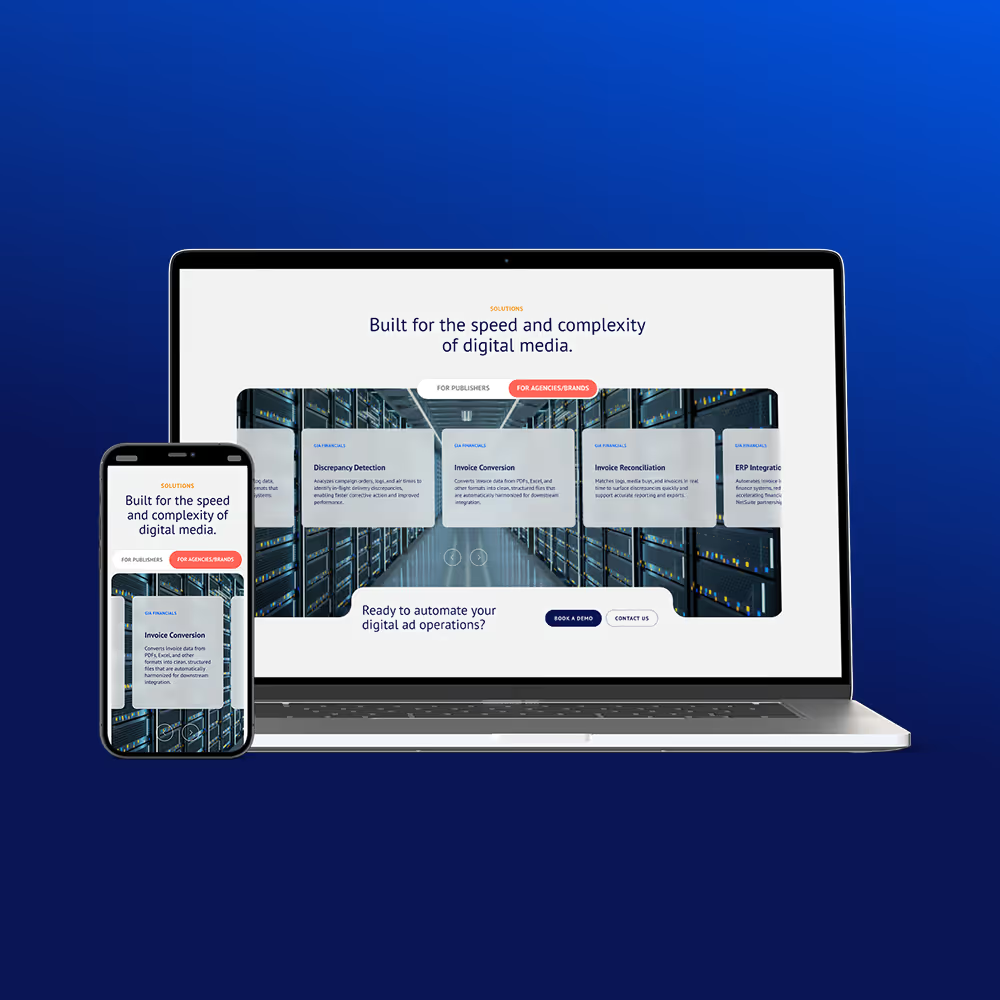
Toggle and tab components allow users to switch between key personas and tailored solutions, surfacing relevant content instantly and reducing the need to navigate or scroll.
A Platform That Positions and Performs
The result is a modern, scalable brand and website that clearly communicates PremiumData360’s value in a complex space. The new platform positions the company as a credible, forward-thinking leader while making its offering more accessible to a niche audience. With a flexible system in place, the site can evolve alongside the business, supporting new use cases, industries, and content without sacrificing clarity or consistency.
Step comprehensive process from discovery to launch and beyond.
Of Gold at the 2025 W3 Awards for "General Websites-Website Redesign"
Use cases across seven industries highlight the need for scalability and clear user journeys.
| Key Insight
When products are complex, clarity does not come from simplification alone. It comes from structure. By building a system that organizes content, messaging, and visuals, complex ideas become easier to understand, navigate, and scale.
| Final Takeaway
Complex products don’t need complex experiences. With the right structure and systems in place, even the most technical offerings can be communicated with clarity, consistency, and confidence.
See More Work
Start Something New
Explore my portfolio or reach out to discuss your next project!